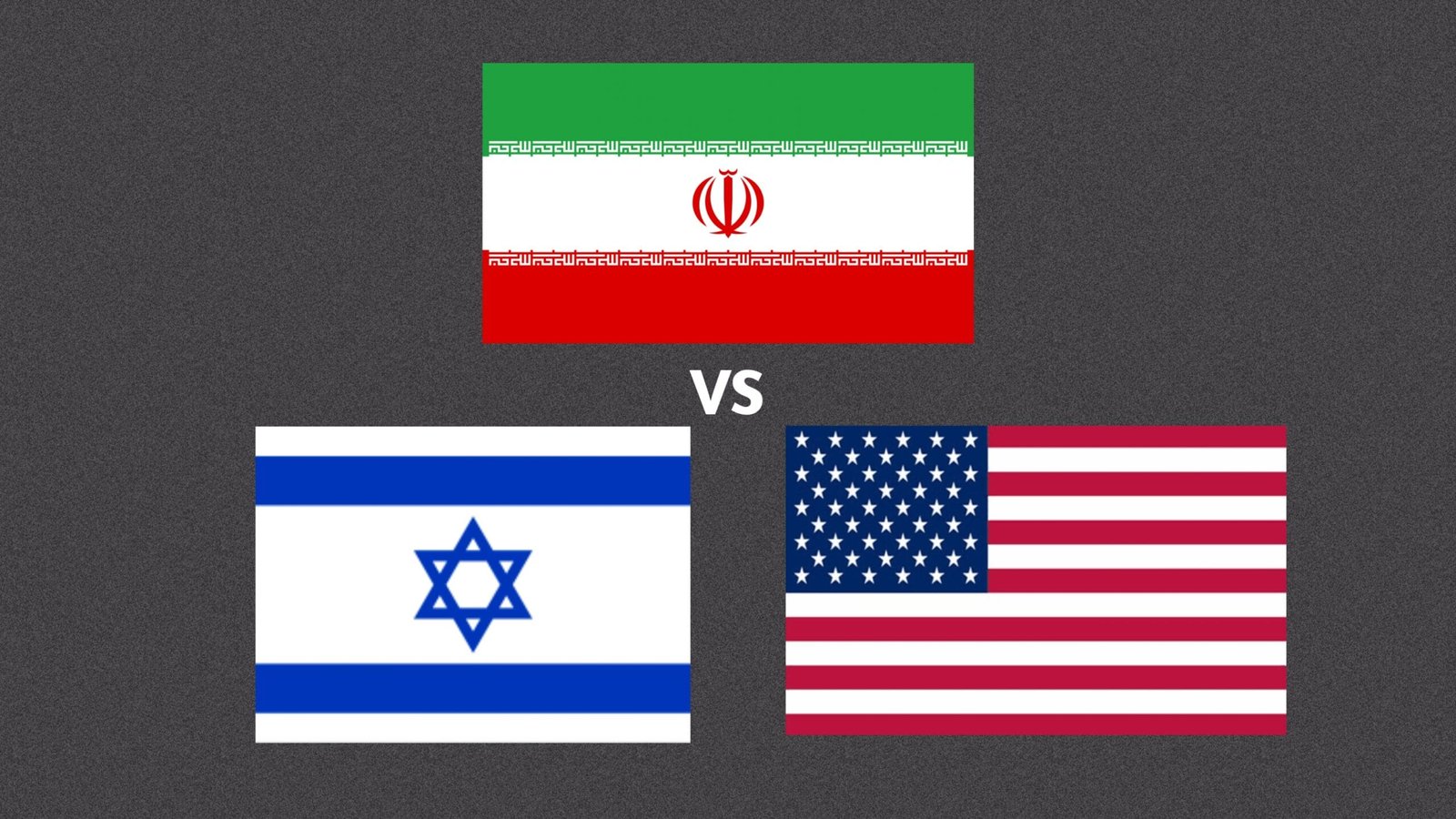
The Middle East conflict 2026 has entered a dangerous new phase after the US-Israel attack on Iran on 28th February, followed by a large-scale Iran retaliation strikes across Israel and multiple Gulf countries in the Middle East. According to the reports from Reuters, AP News, and Al Jazeera, this confrontation is one of the most serious military escalations in recent years. According to Reuters, it has affected Iran, Israel, Qatar, Bahrain, Kuwait, UAE, Iraq, and other regional states. This article explains the full timeline, targets, locations, casualties, and strategic impact using verified information from some credible sources.
US-Israel Attack on Iran
Targets and Locations
On February 28, US-Israel attack on Iran started with coordinated missile and air strikes on main Iranian cities and military infrastructures.
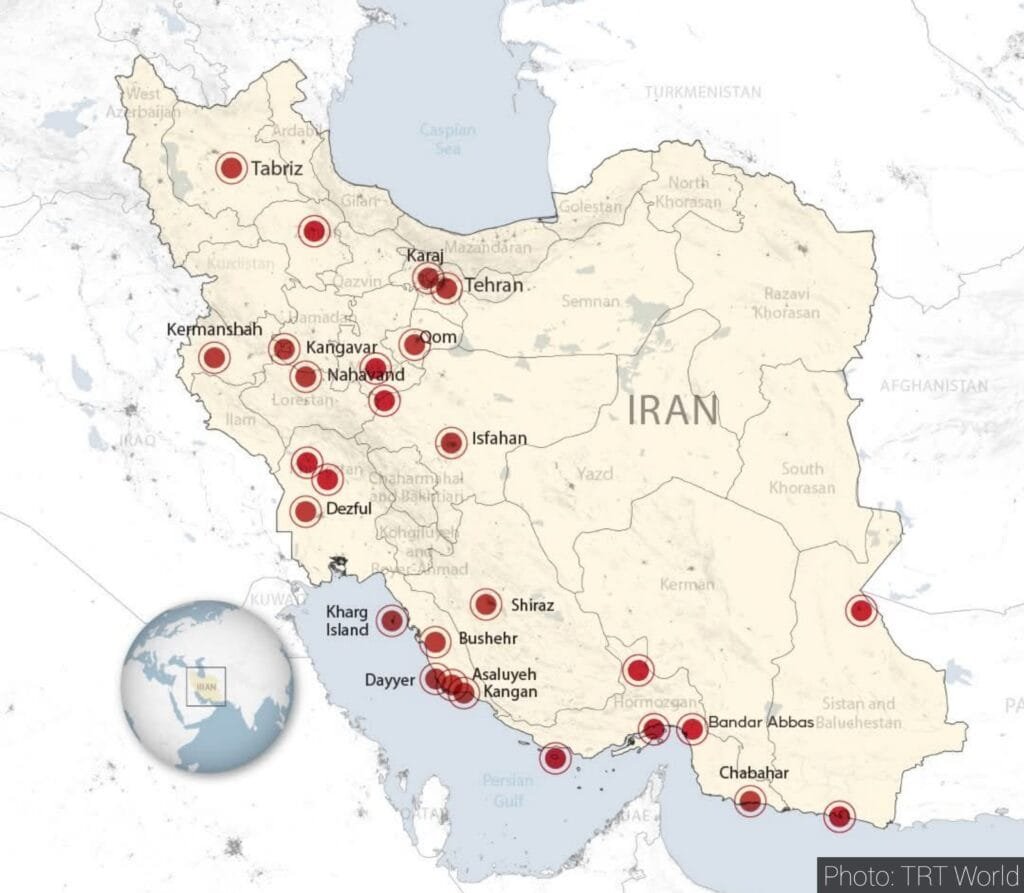
According to Iranian and international media, explosions were reported across Tehran, western Iran, and other major regions. Important locations targeted include:
Tehran – Capital
Reports say missiles hit University Street, Jomhouri district, and Seyyed Khandan area in Tehran. These locations are close to government and military institutions. According to Al Jazeera and Iranian sources, the strikes also targeted sensitive government infrastructure including:
- Ministry of Defence
- Ministry of Intelligence
- Atomic Energy Organisation
- Parchin military complex
Iran Ministry of Defence, Ministry of Intelligence, Atomic Energy Organisation, Parchin military complex. These facilities are critical to Iran’s military command and nuclear program.
Hormozgan Province
One of the most shocking attacks happened in Minab city of Hormozgan in southern Iran, where a strike hit a girls’ school. Iranian state media reported at least 85 people killed including students and dozens injured. Iran described this as a civilian massacre, while US and Israeli officials said the operation targeted regime infrastructure.
Western Iran & Military Launch Sites
Israeli military confirmed strikes on missile launch bases in western Iran, aiming to weaken Iran’s ability to launch retaliation attacks. AP News reported that these targets were part of a broader operation called Operation Lion’s Roar, designed to destroy Iran’s missile and nuclear capabilities.
Iranian Leadership Casualties and Targeting
One of the most dramatic developments was reports regarding Iran’s top leadership. According to Reuters, a senior Israeli official claimed that Iran Supreme Leader Ayatollah Ali Khamenei was killed in the strikes, which has not confirmed yet. Other reports suggest the attack specifically targeted areas where Iran’s leadership may have been present. The goal was described as “decapitating the Iranian regime leadership.” This shows that leadership elimination was likely one of the main objectives of the operation.
Iran Retaliation Strikes
Major Targets
Iran responded quickly with Iran missile strikes retaliation, targeting Israel and US military bases in the Middle East. Iran’s Islamic Revolutionary Guard Corps (IRGC) declared that all US and Israeli military assets became legitimate targets. Iran launched missile and drone attacks on the following locations:
Israel
Iran fired ballistic missiles toward central Israel including Tel Aviv. It forced Israelis into shelters and triggering emergency alerts. Schools and public spaces were closed nationwide. Israeli military activated air defenses and mobilized reserve forces to prepare for escalation.
Qatar – US Military Base Targeted
According to Al Jazeera, Iran fired missiles toward Qatar, which hosts the major Al Udeid US military base. Qatar confirmed it intercepted incoming missiles. This base is one of the most important US air bases in the region.
Bahrain – US Navy 5th Fleet Headquarters Attacked
Iran targeted Bahrain, where the US Navy Fifth Fleet headquarters is located. Bahrain called it a serious attack on its sovereignty. This is one of the most important naval bases in the Middle East.
United Arab Emirates – Missile Strikes
Missiles launched by Iran were intercepted over UAE, including Abu Dhabi. At least one person was reported killed which was later identifiedas a Pakistani national. UAE condemned the attack as a dangerous escalation.
Kuwait – Explosions near US military Installations
Explosions were heard in Kuwait, which hosts US Central Command facilities. Kuwaiti authorities condemned the attacks.
Iraq – Drone Attack on Erbil Airbase
Iran attempted to hit Erbil International Airport in northern Iraq, which hosts US forces. Air defenses intercepted the drones.
Regional Impact
Due to the conflict escalation, many countries closed their airspace. These included:
- Iran
- Palestine
- Iraq
- Qatar
- UAE
- Bahrain
- Jordan
This caused global flight disruptions and increased military readiness.
International Reaction to Iran War Escalation
The global reaction to Iran Israel war escalation has been strong. The United Nations Secretary-General warned that this escalation threatens global peace and could cause a wider war.
Pakistan also condemned the attack on Iran and expressed grievances for casualties.
Russia condemned the US-Israel strikes and called them “unprovoked aggression.”
European leaders and Gulf countries warned the conflict could destabilize the entire Middle East.
Military Objectives and Strategic Goals
According to Israeli officials, the goal of the attack was to destroy Iran nuclear infrastructure, Missile production facilities, Military command centers, and Revolutionary Guard leadership. This was part of a strategy to weaken Iran’s military and regional influence. Iran’s response showed its ability to target US bases across the Middle East, raising fears of full-scale regional war.
Author:
Rumman Mustafa