Table of Contents
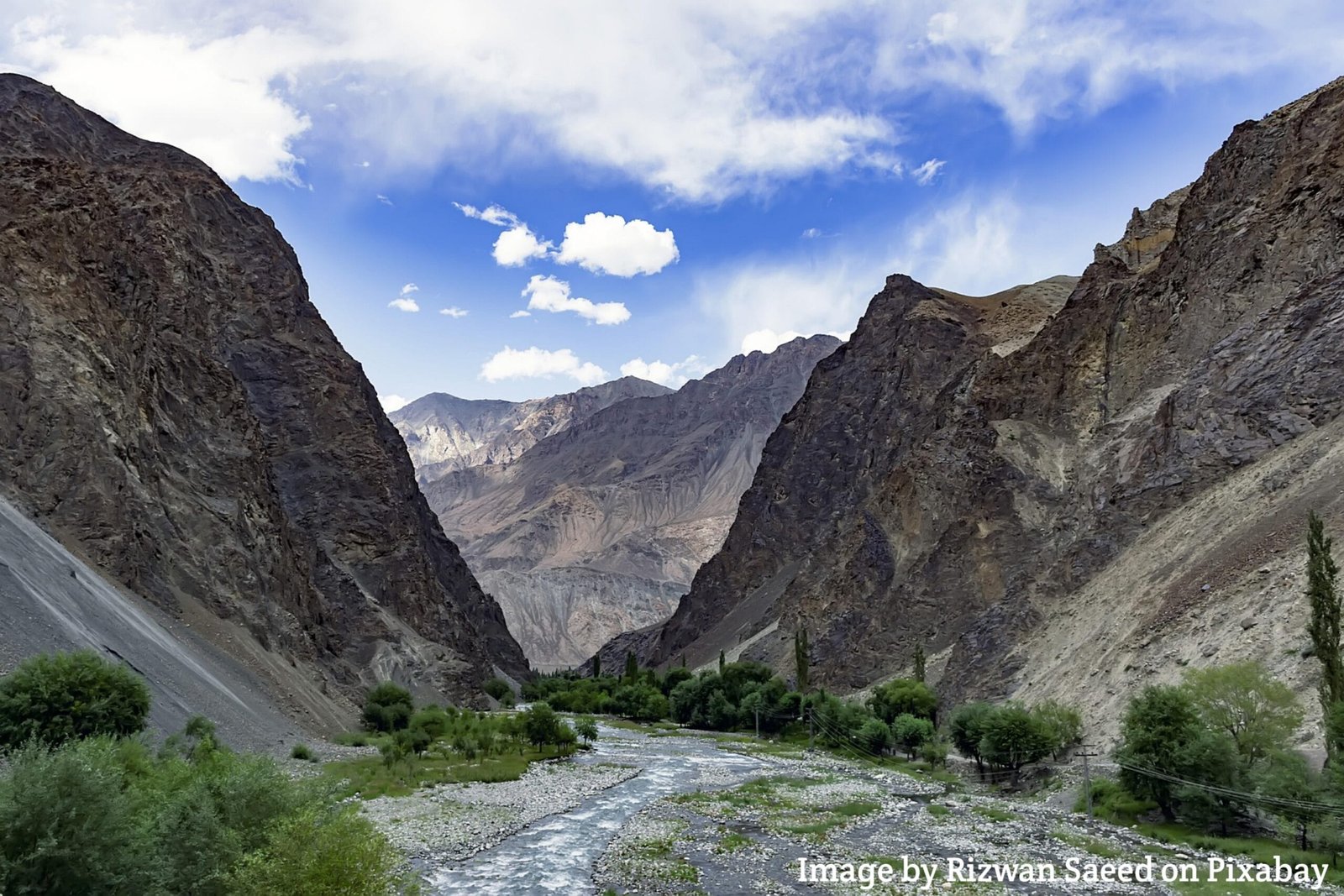
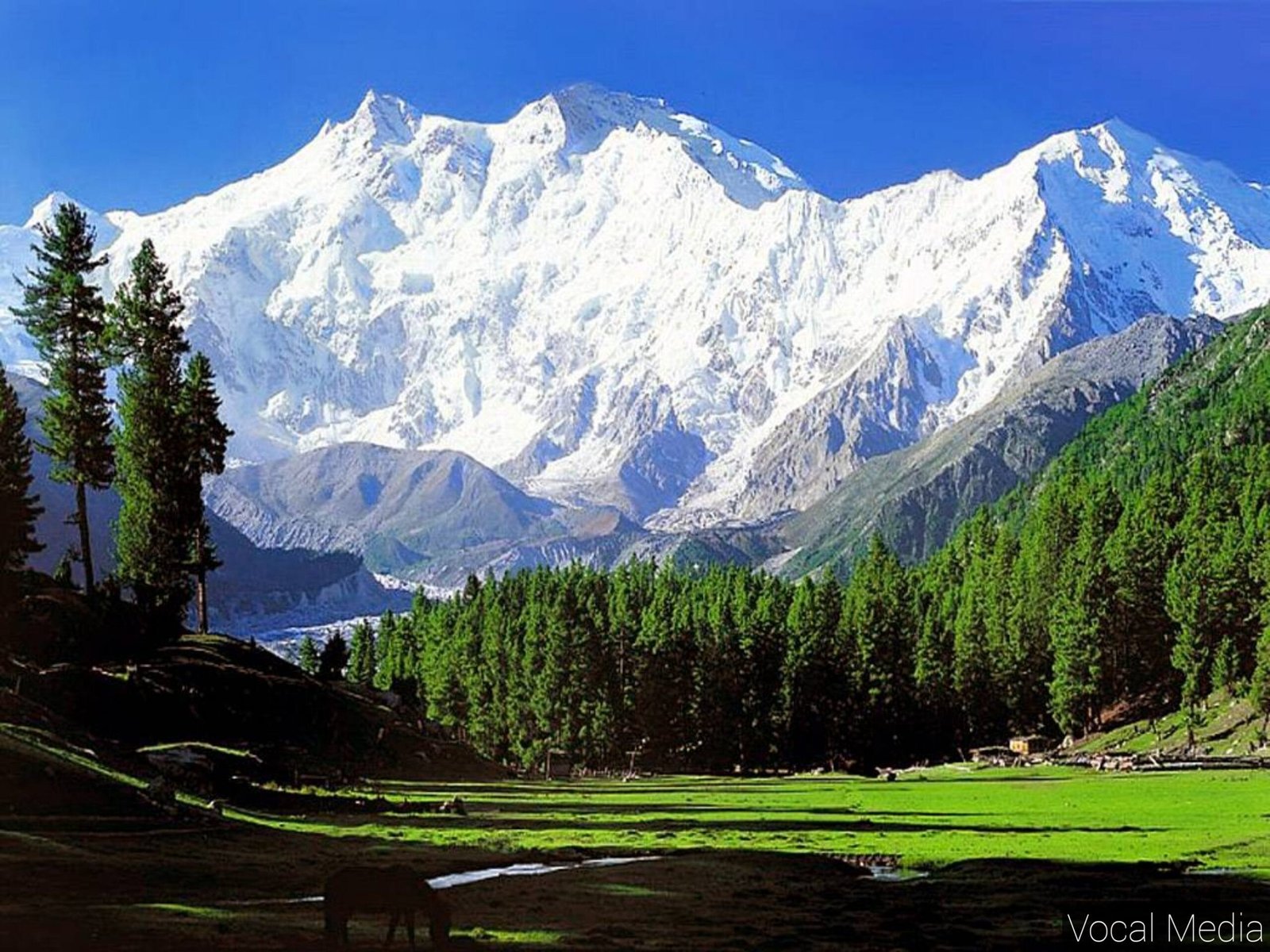
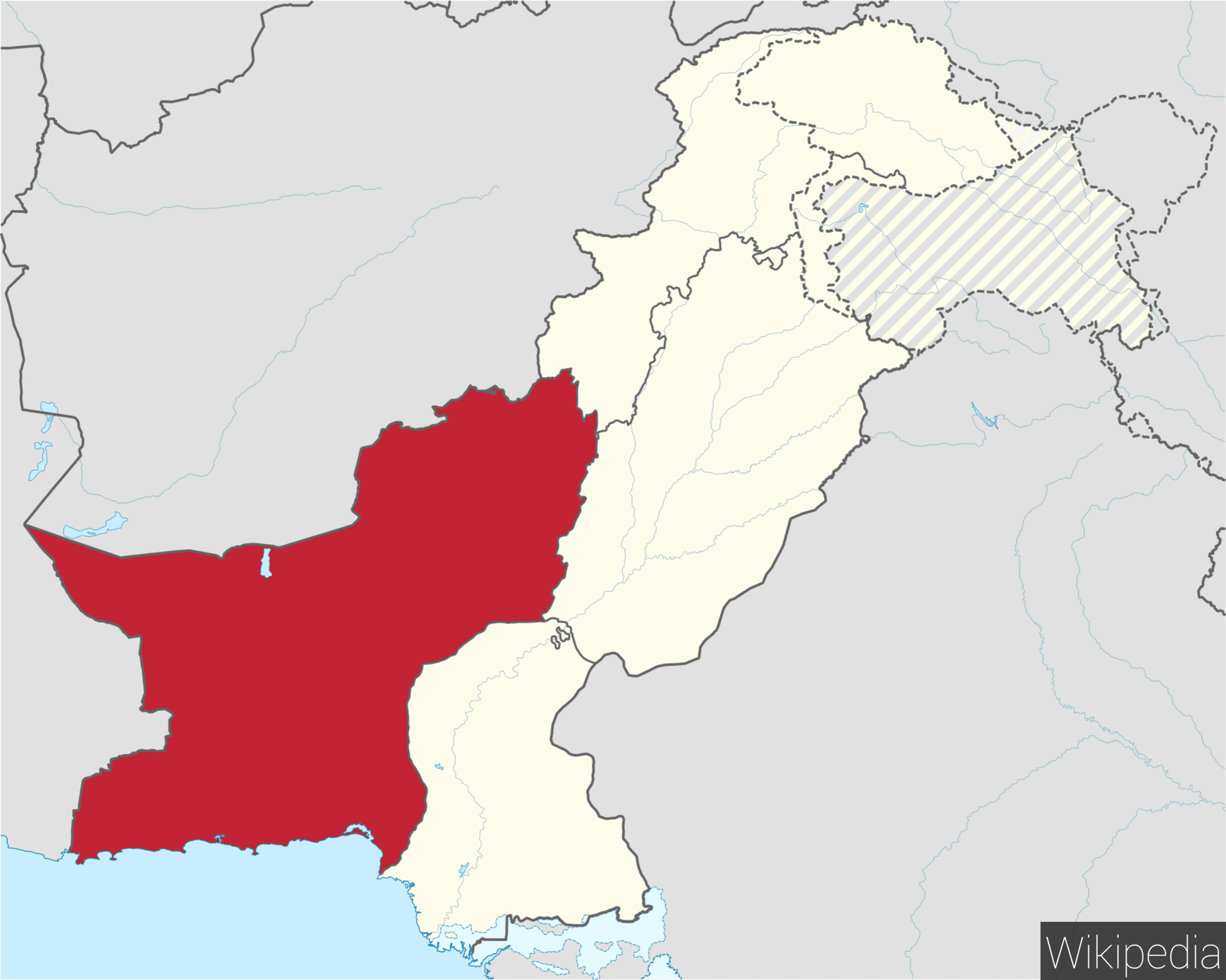
Balochistan is the largest province of Pakistan by area, roughly 44% of Pakistan’s total land area, but least populated. According to the 2023 census, Balochistan’s population is about 14.89 million. cIt is located in the southwest part of the country and shares borders with Iran and Afghanistan, as well as with Sindh, Punjab and Khyber Pakhtunkhwa provinces. Its capital city is Quetta. This province is rich in natural resources like gas, coal, copper, and gold etc. The majority of people in Balochistan belong to Baloch and Pashtun ethnic groups. These people are known for their strong traditions, hospitality, and cultural heritage. Balochistan has great strategic importance because of its location and Gwadar Port, which is a key part of the China-Pakistan Economic Corridor (CPEC).
Importance of Balochistan
Balochistan holds extraordinary importance for Pakistan because of its unique strategic, economic, geographic and geopolitical position. It has a long coastline along the Arabian Sea, which helps Pakistan in sea trade. The city of Gwadar is in Balochistan, and it has a big port, through which Pakistan gains direct access to major international shipping routes near the Strait of Hormuz, one of the world’s most vital oil trade corridors. Balochistan is also the backbone of the China-Pakistan Economic Corridor (CPEC), which is one of the most important development projects in Pakistan’s history. Gwadar connects western China to the Arabian Sea through land routes passing across Balochistan. This reduces China’s dependence on long sea routes and gives Pakistan opportunities for investment, infrastructure development, industrial zones, and job creation. Without Balochistan, the entire vision of CPEC and Pakistan’s regional connectivity would be incomplete.
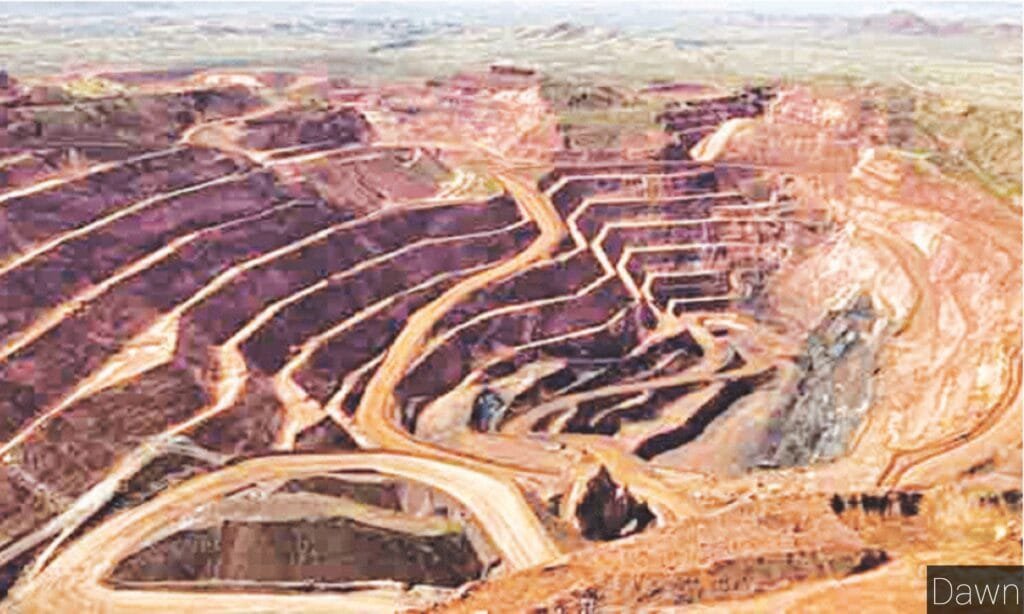
Economically, Balochistan is the most resource-rich province of Pakistan. It contains massive reserves of natural gas, copper, gold, coal, chromite, marble, and many other minerals. The Sui gas fields have supplied energy to Pakistan for decades, while projects like Reko Diq and Saindak have the potential to generate billions of dollars in revenue.
From a geopolitical and security perspective, Balochistan is critically important because it borders both Iran and Afghanistan and lies close to the Middle East. Its stability directly affects border security, counter-terrorism efforts, regional trade, and energy routes such as future gas pipelines. The province also provides strategic depth for national defense due to its vast area and coastal access. Any instability in Balochistan has immediate national and regional consequences, which makes its peace and development a top national priority.
Crisis of Balochistan
Balochistan has been facing many serious crises and problems that have slowed down its development for many years. One of the biggest problems is poverty. Many people in Balochistan are poor and do not have enough money for good food, education, or health care. Most people live in rural areas where jobs are very limited. Because of this, many families struggle to meet their basic needs.
Another serious crisis is the lack of education. Many children, especially girls, do not go to school. In several areas, schools are far away, buildings are broken, or there are not enough trained teachers. Because of low education, young people cannot get good jobs, and this keeps the province behind in development.
The health crisis is also very serious in Balochistan. There are very few hospitals and doctors, especially in remote areas. Many people have to travel long distances to get medical help. Clean drinking water is also not available in many places, which causes diseases. Because of poor health facilities, many lives are lost every year.
Balochistan also faces a law and order crisis. In some areas, there is violence, unrest, and security problems. Because of this, investors are afraid to invest, and development projects are delayed. This keeps the province poor and underdeveloped. There is also a feeling of neglect and lack of trust between the people and the government. Many people believe that they do not get their fair share of development, education, and jobs. This feeling increases anger and hopelessness among the people.
Factors that could Trigger Separation
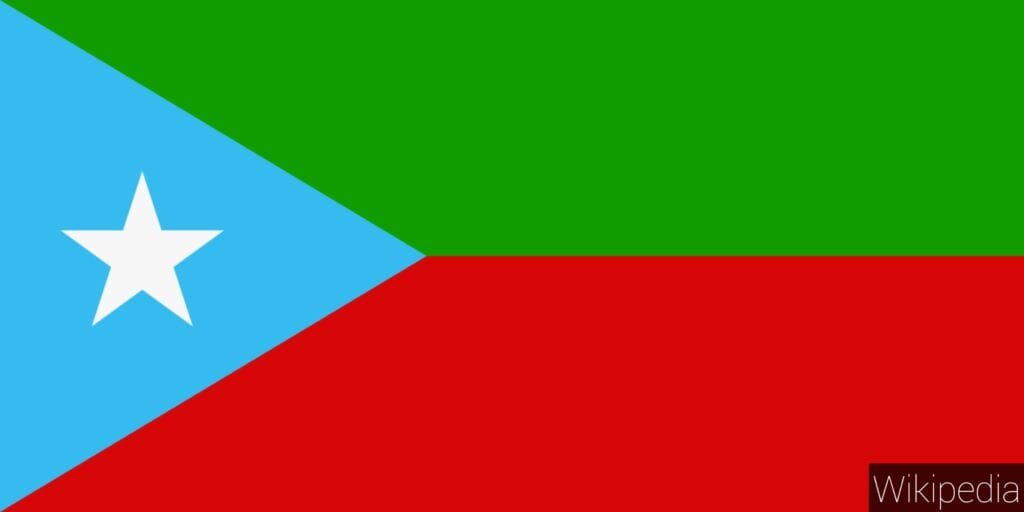
There are several factors that can potentially trigger separatist sentiments in Balochistan. It is important to remember that from time to time, separatist movements have emerged in the province. Among them, the most active at present is the Balochistan Liberation Army (BLA), which seeks separation of Balochistan from Pakistan. To achieve this illegal objective, the group has carried out terrorist attacks across the province to spread fear and instability.
One of the main factors behind this situation is the underdevelopment of Balochistan compared to other provinces of Pakistan. Despite being rich in natural resources, the province remains economically backward. This creates the perception among many local people that the federal government does not allocate sufficient and fair funds to Balochistan, and that most resources are spent on other provinces, especially Punjab. This belief strengthens feelings of deprivation and fuels separatist thinking. However, in reality, annual budgets are allocated to provinces according to population, and even provinces with low revenue generation are supported through contributions fromothers to ensure a balanced distribution of funds.
Another important factor is the lack of education and public awareness. Many people are unaware of the actual initiatives taken by the federal government for Balochistan’s development. At the same time, they are also often unaware of the corruption at the local political and tribal leadership level, which has played a major role in weakening the province’s progress. The literacy rate in Balochistan is significantly lower than in other provinces, which makes it easier for misinformation and extremist narratives to spread.
A third major factor is weak governance and ineffective policies. For several decades, successive governments have failed to formulate and implement a consistent and effective long-term policy for Balochistan. Because of this policy failure, the province has remained trapped in political and economic instability. Instead of improving with time, the situation has continued to worsen year by year.
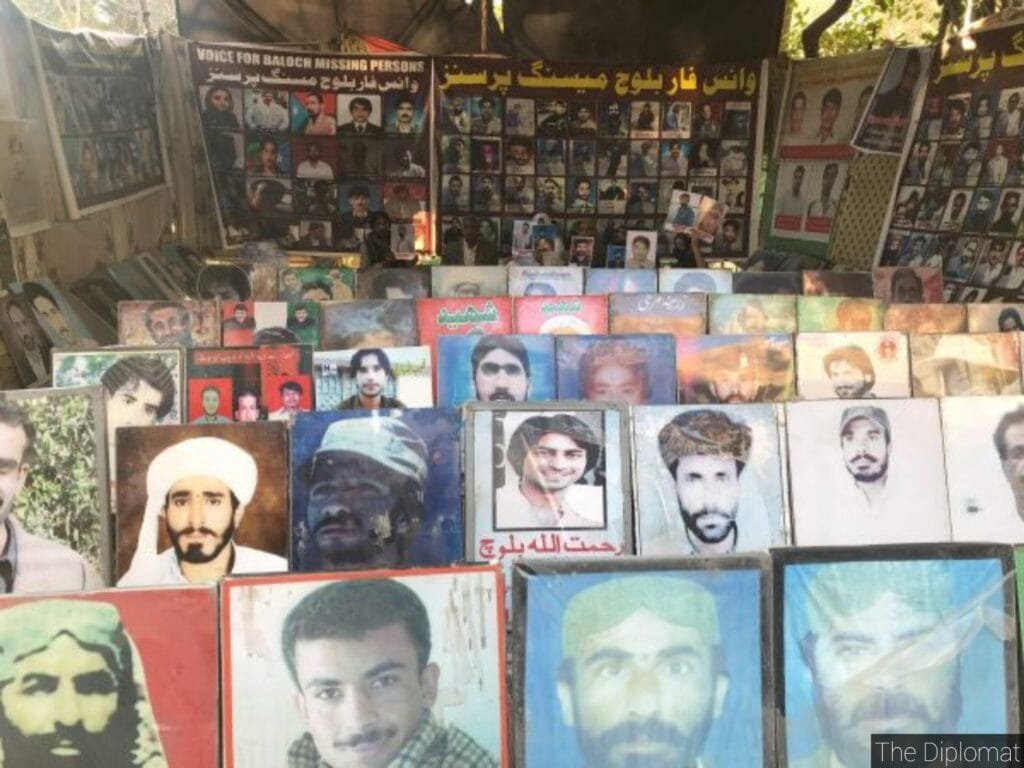
Another very important factor is the security situation. Balochistan has suffered from terrorism for many years, including violent activities by armed separatist groups. In response, security forces and the Pakistan Army have conducted multiple operations. During these operations, many Baloch nationalists were arrested or detained, which later gave rise to the serious issue of missing persons. This issue has created deep anger among families, especially mothers and sisters of the missing individuals, and has gradually increased hatred and mistrust toward the state and the armed forces in many areas of the province.
Aftermath of Independent Balochistan
The purpose of this article is to explore the potential consequences if separatist elements in Balochistan somehow succeed in achieving their illegal goal of creating an independent state. Let us imagine that Balochistan becomes a separate country and appears as a new entity on the world map. The question then arises: what would be the effects of such a scenario? To better understand the situation, we can classify the potential consequences into several categories. The first is the impact on Pakistan, followed by the possible advantages for India, the global reaction, the economic consequences, and finally the security challenges and risk of civil conflict. By examining these areas, we can discuss the possible outcomes of an imagined independent Balochistan. This approach allows us to analyze in an organized manner the political, economic, and security implications that could arise if Balochistan were to separate from Pakistan. Each factor has far-reaching consequences that could affect the region and beyond.
Impact on Pakistan
The separation of Balochistan would have a deep and far-reaching impact on Pakistan. The country, which has not yet fully come to terms with the loss of East Pakistan in 1971, would find it extremely difficult to accept the loss of another large region. Pakistan would likely perceive the hand of its traditional rival, India, in such a scenario, making this setback even harder to tolerate.
Geographically, Pakistan would lose its largest province, which accounts for over 40% of its land area. Balochistan is not only rich in minerals and natural resources but also serves as a strategic buffer with Iran, a neighboring country. Losing this province would weaken Pakistan’s strategic position significantly.
Economically, the consequences would be severe. The China-Pakistan Economic Corridor (CPEC), one of Pakistan’s biggest development projects, would face a major setback. Investments in Gwadar Port, which lies within Balochistan, could be wasted, and Pakistan would need to find alternative routes and solutions. The uncertainty could also reduce confidence among international investors, including China, resulting in significant economic losses.
On the international stage, Pakistan would lose credibility and influence, and other countries might hesitate to engage closely with it. There is also a risk that Pakistan might refuse to recognize an independent Balochistan, leading to tensions and rivalry between the two. In such a situation, Balochistan could potentially seek support from India and Afghanistan, while Pakistan might attempt to influence Balochistan through proxy groups, creating renewed instability in the region.
Ultimately, the hopes of Baloch nationalists for peace and stability after independence may remain unrealized, as Balochistan could become a new arena for regional tensions involving Pakistan, India, and Afghanistan, resembling a localized “cold war”scenario.
Advantages for India
If Balochistan were to become independent, India would celebrate this event more than any other country in the world. Just as India considered the separation of Bangladesh in 1971 as a major victory, it would also present the separation of Balochistan as another historic success. Indian media and political circles would likely describe it as a triumph of their foreign and intelligence policies. For many years, Pakistan has accused India of supporting separatist groups in Balochistan, and in this imagined scenario, India’s quick recognition of Balochistan would strengthen this belief.
India would most likely become the first country to officially recognize independent Balochistan. After recognition, India would try to use Balochistan politically, diplomatically, and possibly economically against Pakistan. Its main goal would be to further weaken Pakistan and push it into more political and economic problems. At this stage, India’s confidence and morale would rise sharply, while Pakistan’s morale would fall deeply. At the same time, the new state of Balochistan would also feel a strong need for foreign support, and India would appear to be its most ready and powerful ally.
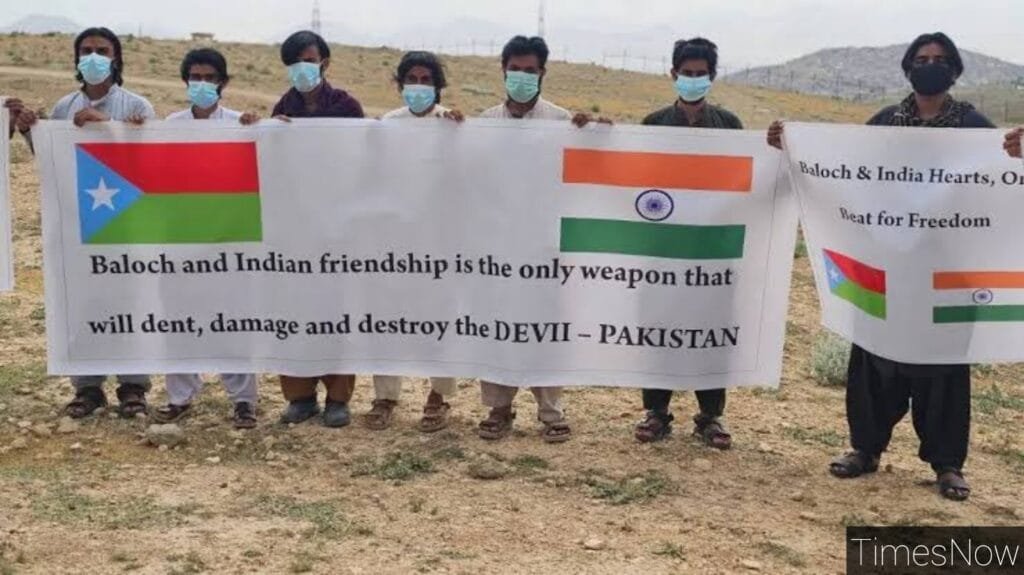
However, this relationship would not truly be based on friendship or shared values. India would see Balochistan more as a strategic tool than as a real partner. It would support Balochistan only as long as it served Indian interests against Pakistan. Once those interests were fulfilled, India’s concern for Balochistan could begin to fade. Since India has often been criticized for its treatment of its own Muslim population, many people would question how sincere its sympathy for the Muslim people of Balochistan could really be. Even so, due to its hostility toward Pakistan, Balochistan might still choose India as its closest partner.
If India succeeded in seriously weakening or breaking Pakistan, it would be seen as a huge strategic victory, because defeating a nuclear-armed country is not a small achievement. Such a success would greatly increase India’s power, confidence, and influence across South Asia. Many analysts believe that this could encourage India to move closer to its long-discussed idea of “Akhand Bharat” (Greater United India). Today, Pakistan stands as the strongest obstacle to that dream. If Pakistan were removed from the equation, smaller neighboring states such as Bangladesh, Sri Lanka, Nepal, Bhutan, and Myanmar might feel much more vulnerable to Indian pressure.
In such a situation, there would also be a serious fear that Balochistan itself could later fall under Indian control or heavy influence, even though its independence was achieved with India’s early support. After weakening Pakistan, India could gradually expand its dominance in the region. Afghanistan, which has often relied on Pakistan for strategic balance, could also enter a new phase of instability.
However, the reality would remain unchanged. If a large “Akhand Bharat” ever came into existence, the Muslim population within it would become three times larger than before. Instead of bringing peace, this could create new religious and communal tensions. Once again, Muslim-Hindu divisions could grow stronger, and fresh conflicts could emerge inside the region. In this way, the very project that aimed to bring regional dominance could also carry within it the seeds of future unrest.
Global Impact
If Balochistan were to emerge as an independent country, it would hold significant importance for many nations. In terms of land area, it would become the 64th largest country in the world, smaller than Germany but larger than Finland. Although its economy would initially be weak, its strategic value would be very high. This importance would come from its location, as it sits at the center of key regional routes. Balochistan is home to the former CPEC corridor, the Gwadar Port, and it shares borders with both Iran and Afghanistan, connecting it directly to the Middle East. Its natural resources and minerals would also attract attention from major world powers like the United States and China.
To understand the full global impact of an independent Balochistan, we can look beyond Pakistan and India that we already discussed and examine how other regional countries, the Muslim world, and the Western world might react.
Regional Reaction
Among the neighboring countries, Afghanistan would likely be the second nation to welcome Balochistan’s independence, right after India. Relations between Afghanistan and Pakistan have rarely been smooth, and Kabul might see Pakistan’s breakup as a strategic advantage. A weaker Pakistan could improve Afghanistan’s regional position and reduce pressure on its borders.For China, the situation would be very different. China has invested heavily in Balochistan through CPEC, especially in infrastructure and Gwadar Port. The separation of Balochistan would initially be a major loss for China, as many of its projects would be disrupted or taken over by the new state. However, over time, China would likely rebuild its relationship with independent Balochistan because the region still holds valuable economic and strategic opportunities. Balochistan, needing foreign investment for its development, would also welcome China’s involvement.
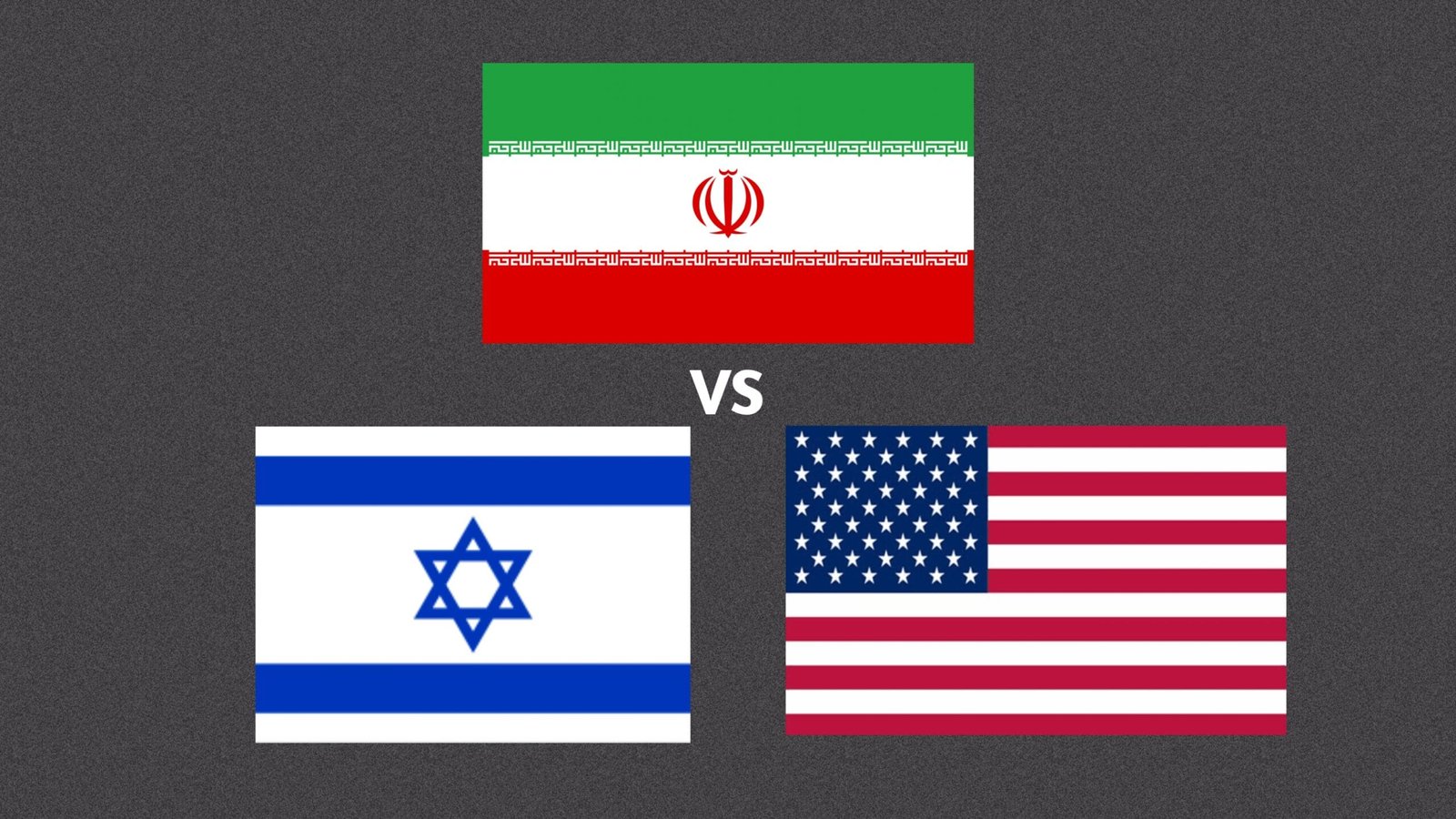
Iran would take a more cautious and neutral stance. Historically, Iran and Pakistan have had both friendly and tense moments. Iran would likely issue an official statement expressing concern over rising instability in Pakistan, but it would stop short of openly celebrating or condemning the independence movement. Its primary interest would be to keep its border stable and protect its own security.
Reaction of Muslim World
The reaction of the Muslim world would likely be one of sadness, concern, and disappointment. At a time when Muslims around the world face challenges-from Islamophobia in the West to oppression in regions like Kashmir and Palestine- unity among Muslim countries is already weak. Seeing Pakistan, a nuclear-armed Muslim-majority state with one of the largest Muslim populations, break apart would be deeply discouraging for many Islamic nations. It would be viewed not as a victory, but as a major setback for the Muslim world. Many would suspect Western interference or hidden agendas behind Pakistan’s fragmentation.
As a result, most Muslim countries would not support Balochistan’s independence, even if they did not openly oppose it. Balochistan might struggle to gain trust and recognition from many Muslim-majority states, especially those who view Pakistan as an important partner for defense, diplomacy, and regional stability.
Reaction of Western World
In contrast, many Western countries such as the United States, Israel, and some European nations might respond more positively. These states often have strained relations with many Muslim-majority countries and might see the breakup of Pakistan as an opportunity to reshape regional power dynamics. Israel especially might view this event in a similar way to India, considering it a major shift in South Asia that aligns with its interests.
Western support, however, would not necessarily guarantee long-term stability for Balochistan. Such support is often based on strategic interests rather than genuine concern for the new state.
Economic Challenges
If Balochistan became an independent country, its economy would be very weak in the beginning. Even though the region has many natural resources like gas, coal, copper, and gold, it does not have strong industries, enough jobs, or good infrastructure. Without experience, technology, or skilled workers, the new country would struggle to use its resources properly. Most CPEC projects and the development of Gwadar Port would stop because China might pull back its investment, leaving Balochistan without major income sources. The new country would also depend heavily on foreign loans and aid, which could create more problems. Security issues, border tensions, and unstable government conditions would scare away investors and make trade very difficult. Because of all these challenges, Balochistan would face high poverty, low employment, and slow economic growth for many years.
Security Problems
Independent Balochistan would face very serious security problems. Instead of becoming peaceful, the region could turn into a war zone between India, Afghanistan, and Pakistan, because all three countries would try to protect their own interests there. Pakistan might not accept Balochistan’s independence and could support new groups inside the region, while India and Afghanistan might support Balochistan against Pakistan. This would start a new wave of proxy wars, where different foreign powers fight indirectly by supporting armed groups. Such conflicts would create violence, terrorism, and instability across the whole area. These problems would not stay inside Balochistan only but they could spread and affect all of South Asia, making the region unsafe and unpredictable. Because of continuous fighting and political tension, normal life in Balochistan would become very difficult, and the country would struggle to build peace or development.
Risk of Civil War
In Independent Balochistan, there would be a big risk of civil war. The reason is that not all people in Balochistan support separation. Many communities, tribes, and political groups still feel close to Pakistan and would want to rejoin Pakistan even after independence. On the other side, separatist groups would try to keep full control of the new country. This difference in ideas could create anger, fear, and clashes between local groups. Slowly, these fights could grow into a full civil war, where different tribes and militias fight each other for power. Foreign countries might also support different sides, making the conflict even worse. As a result, Balochistan could face years of internal fighting, destruction, and displacement. Instead of peace and progress, the new state might become trapped in a dangerous cycle of violence and civil conflict, which would harm people’s daily lives and stability.
Conclusion
After looking at all political, economic, regional, and security factors, it becomes clear that if Balochistan were to separate from Pakistan, the outcome would bring very little benefit and massive instability for everyone involved. Pakistan would face a serious loss of land, resources, and strategic depth, and its national confidence and security would be deeply shaken. But even more importantly, Balochistan itself would not achieve real peace or development. Instead of becoming a stable, successful country, it would immediately face huge challenges-weak economy, lack of institutions, pressure from foreign powers, and internal tribal divisions.
The region would likely turn into a new war zone, with Pakistan, India, and Afghanistan using it for proxy battles, which would destroy any hope of progress. Inside Balochistan, separatist groups and pro-Pakistan groups could clash, increasing the risk of civil war and long-term conflict. Instead of stability, the new state would fall into a cycle of violence, interference from outside countries, and economic struggle. In the wider world, this breakup would only give an advantage to enemy states and hostile elements who want South Asia to remain weak and divided.
In the end, Balochistan’s separation would not bring peace, strength, or prosperity. It would only create more instability in the region, harm Pakistan, and put the people of Balochistan into even deeper uncertainty. Therefore, the breakup would be a lose-lose situation, with no real winners-only greater conflict, confusion, and long-term damage for all.