Table of Contents
The International Court of Justice ruled on 19 November 2026 that Myanmar committed genocide against the Rohingya in northern Rakhine State. The vote was nine to six. The judgment closes a case The Gambia filed seven years ago under the 1948 Genocide Convention.
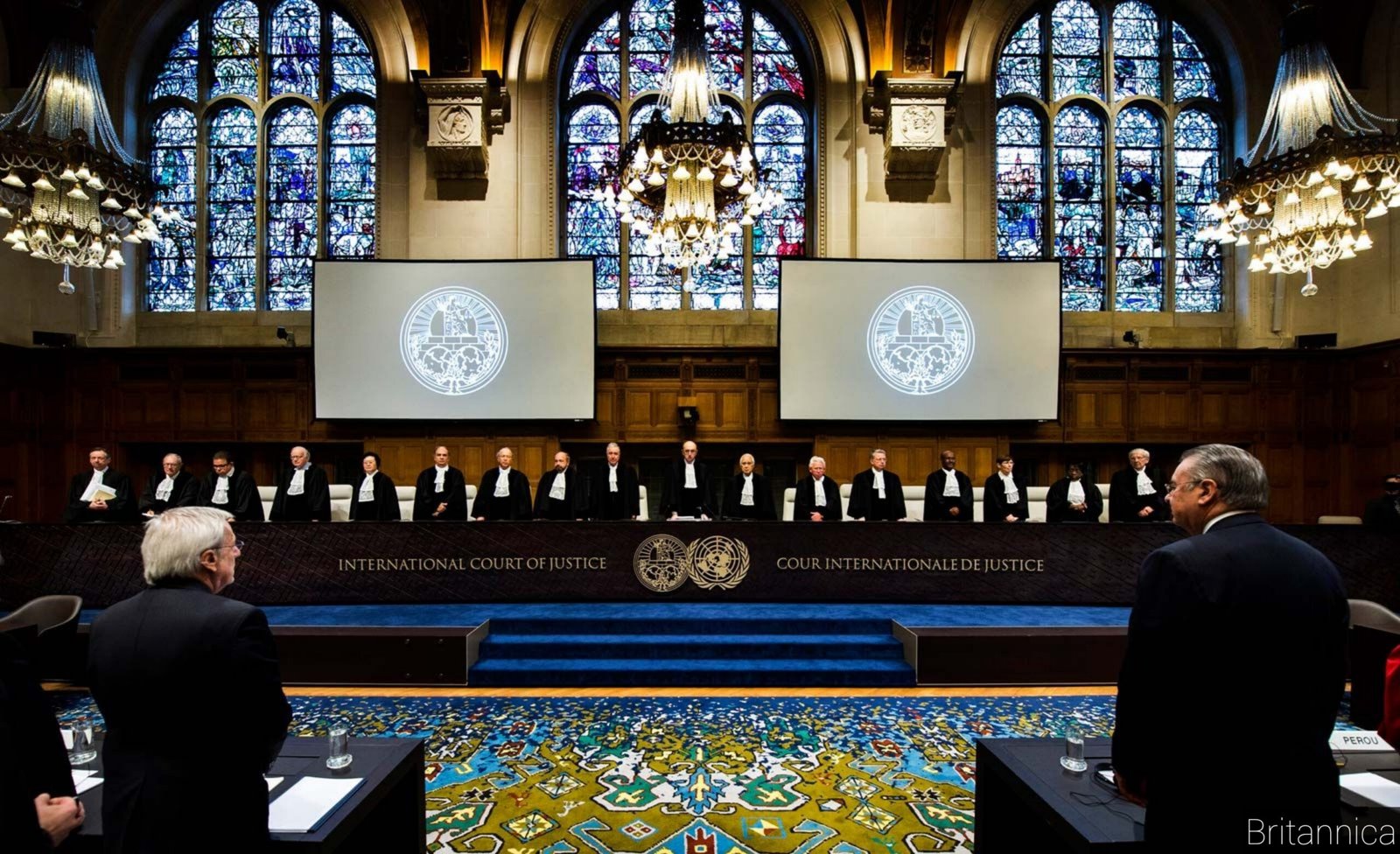
Sitting at the Peace Palace in The Hague, the UN’s highest court found that Myanmar’s security forces acted with the intent to destroy a substantial part of the Rohingya group. The ruling came in Application of the Convention on the Prevention and Punishment of the Crime of Genocide (The Gambia v. Myanmar: 11 States Intervening). It is a finding of state responsibility, not a criminal conviction of any individual.
What the Court Found?
The central finding is in the operative part of the judgment. By nine votes to six, the Court “finds that the Republic of the Union of Myanmar has committed genocide against the Rohingya group in northern Rakhine State.”
The Court held that Myanmar committed acts listed in Article II (a), (b) and (d) of the Convention. These are killing members of the group, causing them serious bodily or mental harm, and imposing measures intended to prevent births. It identified the targeted part of the group as the approximately 815,000 Rohingya who lived in northern Rakhine State before the 2017 clearance operations.
On intent, the judges concluded that the only reasonable inference from Myanmar’s actions was an intention to destroy a substantial part of the Rohingya population there. Myanmar had argued it was fighting an insurgency by the Arakan Rohingya Salvation Army (ARSA). The Court found that a counter-terrorism aim did not rule out genocidal intent.
The Court also found that Myanmar breached its 2020 order to preserve evidence. After that order, Myanmar burned the remnants of at least five Rohingya villages in Buthidaung Township in May 2020. In 2021 it finished a government base on the sites of former Rohingya villages in Maungdaw Township.
What Happened in 2017
The case goes back to violence in Rakhine State in 2016 and 2017. Myanmar’s armed forces, known as the Tatmadaw, worked with the Border Guard Police and the Police. Together they carried out a series of armed missions in Rohingya villages, which Myanmar called “clearance operations”.
The Court accepted the UN Fact-Finding Mission’s estimate of at least 10,000 deaths as supported by the record. It found that “thousands of Rohingya civilians were killed by the Myanmar security forces during the clearance operations.”
Satellite analysis prepared for the Fact-Finding Mission shows the physical scale of the operations. UNITAR-UNOSAT mapped visible burning of houses and other structures across Maungdaw, Buthidaung and Rathedaung townships. The imagery was taken between 25 August 2017 and 18 March 2018. In Thit Tone Nar Gwa Son village tract, an image from May 2017 shows intact houses and farmland. By February 2018, the same area showed burned Rohingya homes, cleared land and new construction. In Inn Din, the Rohingya settlements were burned while a neighbouring non-Rohingya settlement remained intact.
Seven Years to Verdict
The Gambia filed the case on 11 November 2019, on behalf of the 57 members of the Organisation of Islamic Cooperation. Neither The Gambia nor its people were directly harmed. It relied on the Convention’s “common interest”: every party has a stake in preventing and punishing genocide.
23 January 2020 – The Court orders provisional measures, telling Myanmar to prevent genocidal acts and preserve evidence.
22 July 2022 – The Court rejects Myanmar’s preliminary objections and confirms its jurisdiction.
2023–2025 – Eleven states join as interveners, including Canada, the United Kingdom, France, Germany, the Netherlands, Denmark and the Maldives.
12–29 January 2026 – Public hearings on the merits, including witnesses and an expert.
19 November 2026 – Judgment delivered.
The UN’s Independent Investigative Mechanism for Myanmar also shared evidence with the parties. This included analytical reports and 40 detailed witness statements. The Mechanism says the judges gave its material considerable weight.
What Myanmar Must Now Do
The Court ordered Myanmar to:
Enact legislation giving full effect to the Genocide Convention take immediate and effective steps to investigate everyone reasonably suspected of acts contrary to the Convention during the 2017 operations, and prosecute and punish them where warranted provide assurances and guarantees of non-repetition adopt restitution measures, including the safe, voluntary and dignified return of displaced Rohingya and the reunification of families compensate the Rohingya for the damage caused The Court held that The Gambia cannot claim reparation for itself.

It can only demand that reparation be made to the Rohingya, who are the victims of the breach. The amount and form of compensation will be settled in a later phase. Myanmar must report within two years on the restitution measures it has adopted.
A Divide Bench and an Uncertain Future
Six judges voted against the main finding: Vice-President Sebutinde, Judges Tomka, Abraham, Xue and Nolte, and Judge ad hoc Kress. In a separate opinion, Judge Tomka objected that the Court had made a positive finding of genocide for the first time without a prior criminal judgment establishing the crime. He said it had relied instead on a contested evidentiary record. Others questioned how the evidence was weighed.
The ICJ also has limits. It settles disputes between states and cannot prosecute individuals. It also has no police force to make Myanmar comply. Individual criminal responsibility is a separate matter for other courts and mechanisms. For the Rohingya, the ruling arrives while most survivors remain in exile. Government of
Bangladesh and UNHCR data recorded 984,591 Rohingya refugees in 203,424 families across the Cox’s Bazar camps and Bhasan Char as of 30 June 2024. Whether the Court’s call for their safe, voluntary and dignified return becomes reality now depends on Myanmar and on the international pressure that follows.
Author
Rumman Mustafa